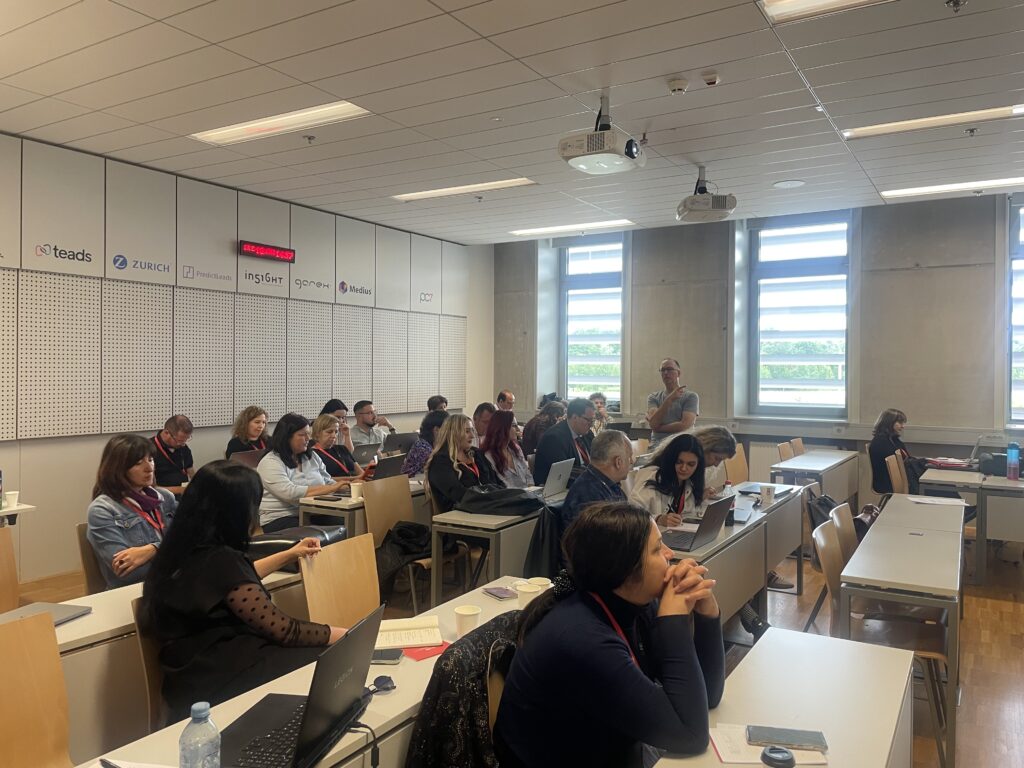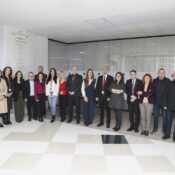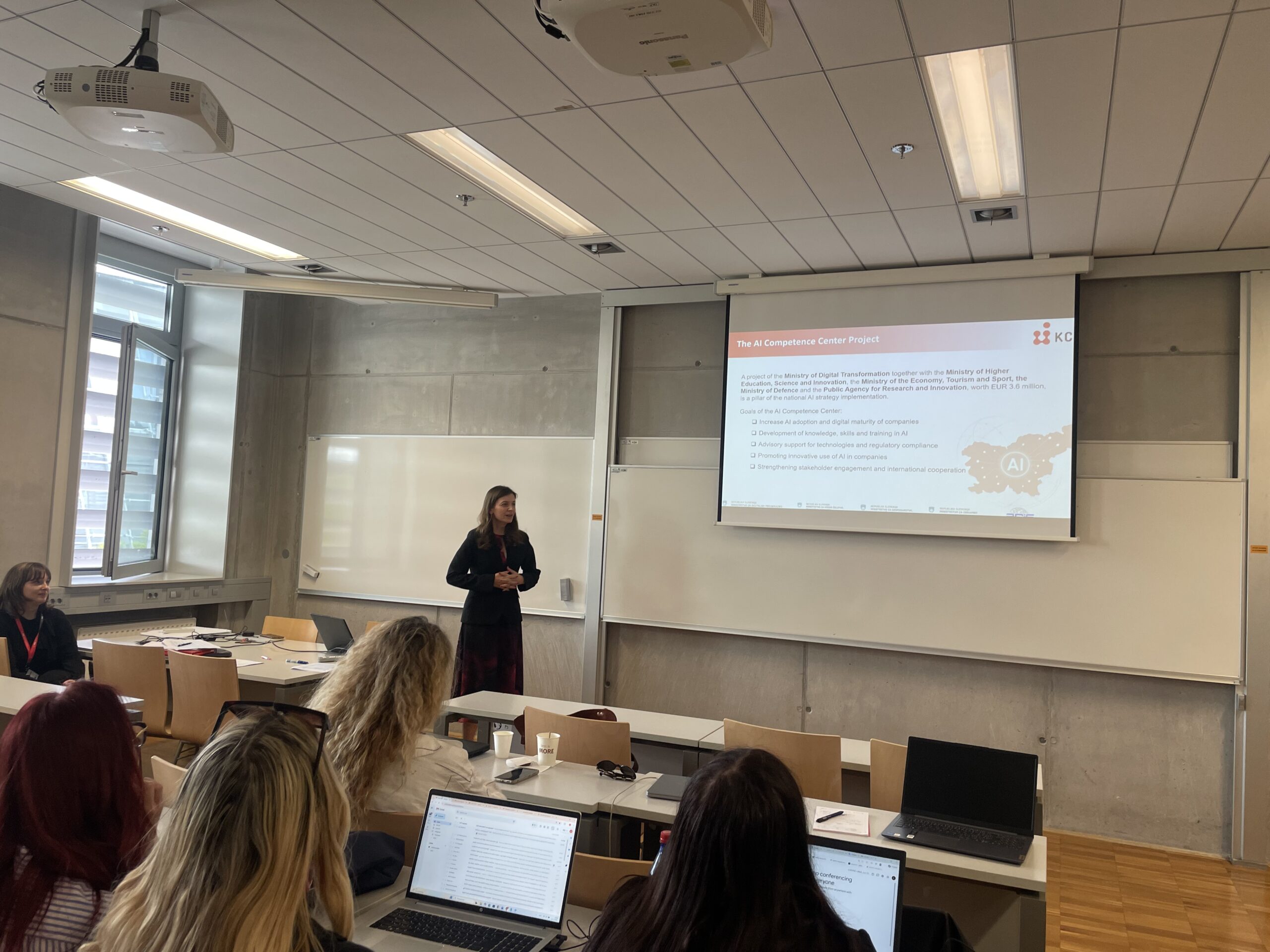
Within the framework of the Erasmus+ CBHE project “Transforming Business Education with AI in WB: Innovating Education for the Next Generation of Entrepreneurs (TBEAI)”, co-funded by the European Union, the second study visit is currently taking place at the University of Ljubljana, Slovenia, with the participation of representatives from partner universities across the Western Balkans and the European Union.
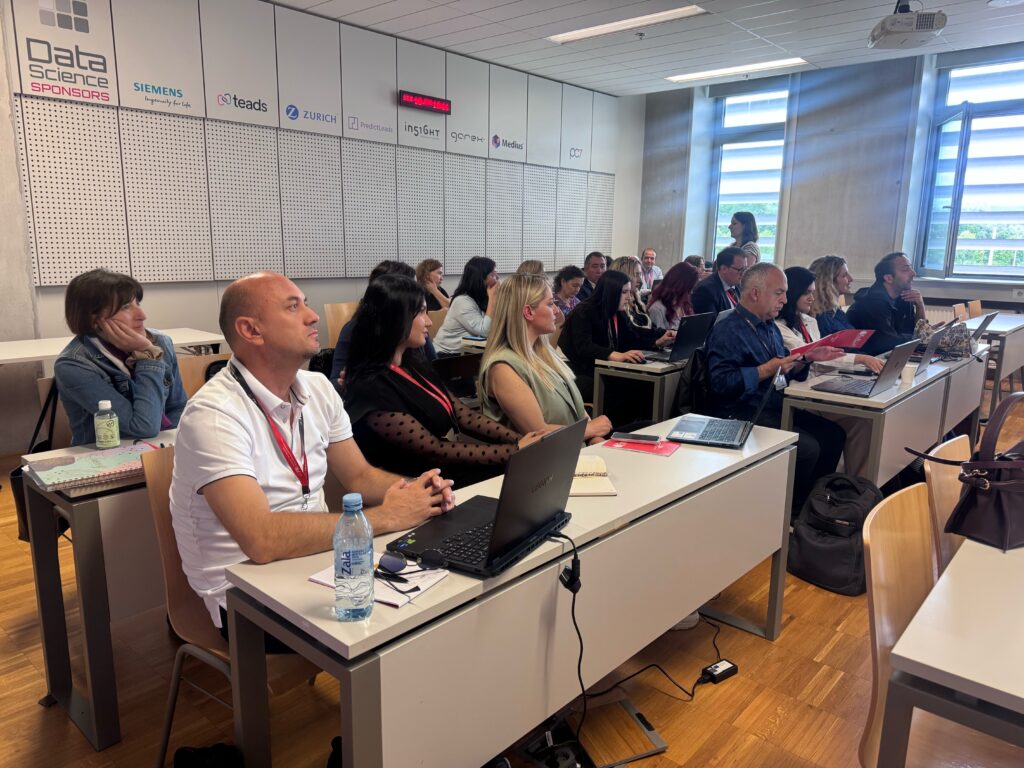
The activities are being hosted at the Faculty of Computer and Information Science of the University of Ljubljana, providing an important platform for the exchange of knowledge, experience, and best practices in the fields of artificial intelligence, innovation, and digital transformation in higher education.
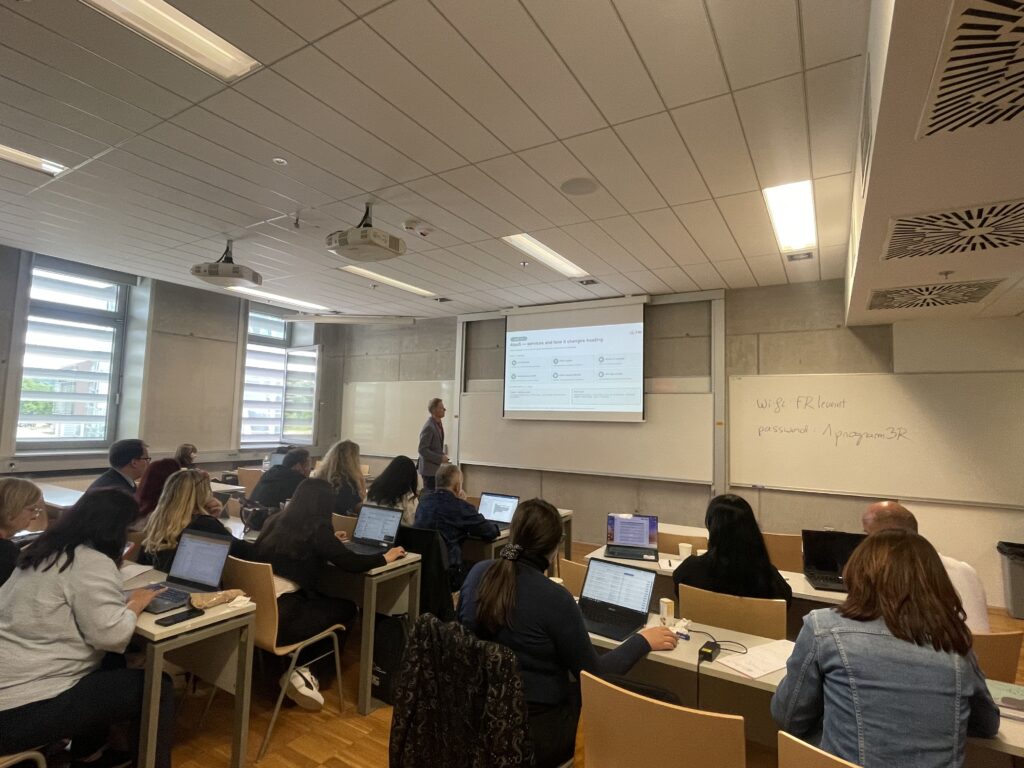
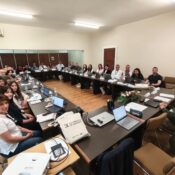
During the first day of the programme, project partners engaged in intensive working sessions focused on the finalization of the curriculum for the new Master’s programme developed within the TBEAI project. The discussions concentrated on the programme structure, learning outcomes, course content, and their alignment with labour market needs as well as the latest developments in artificial intelligence and entrepreneurship education.
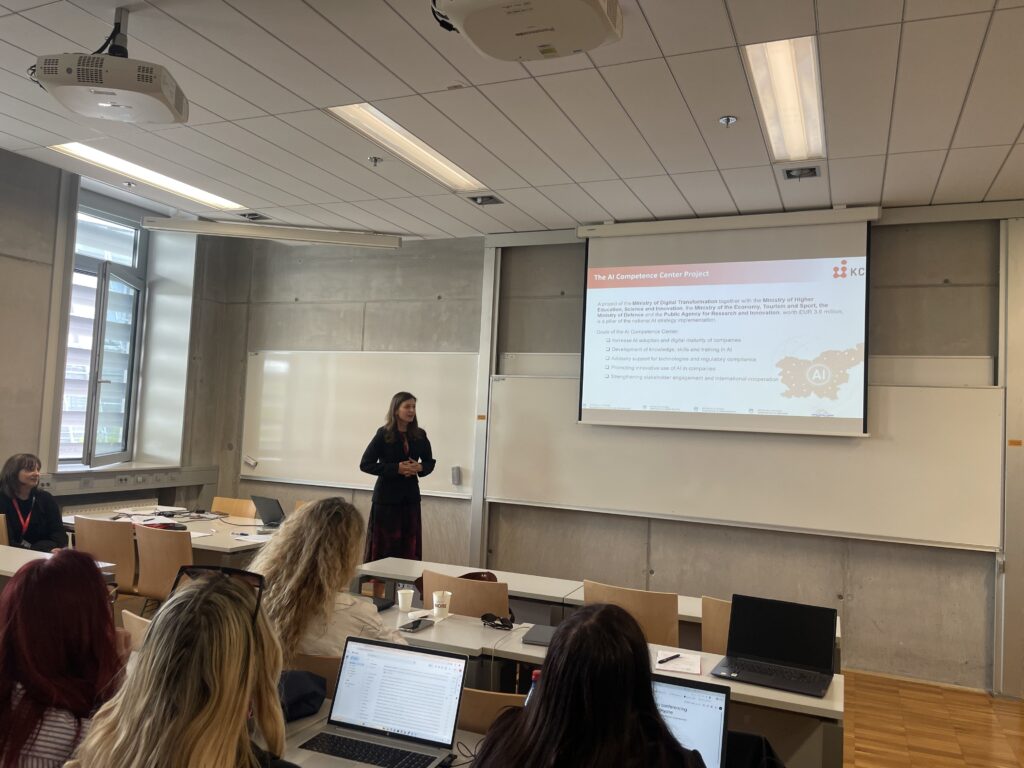
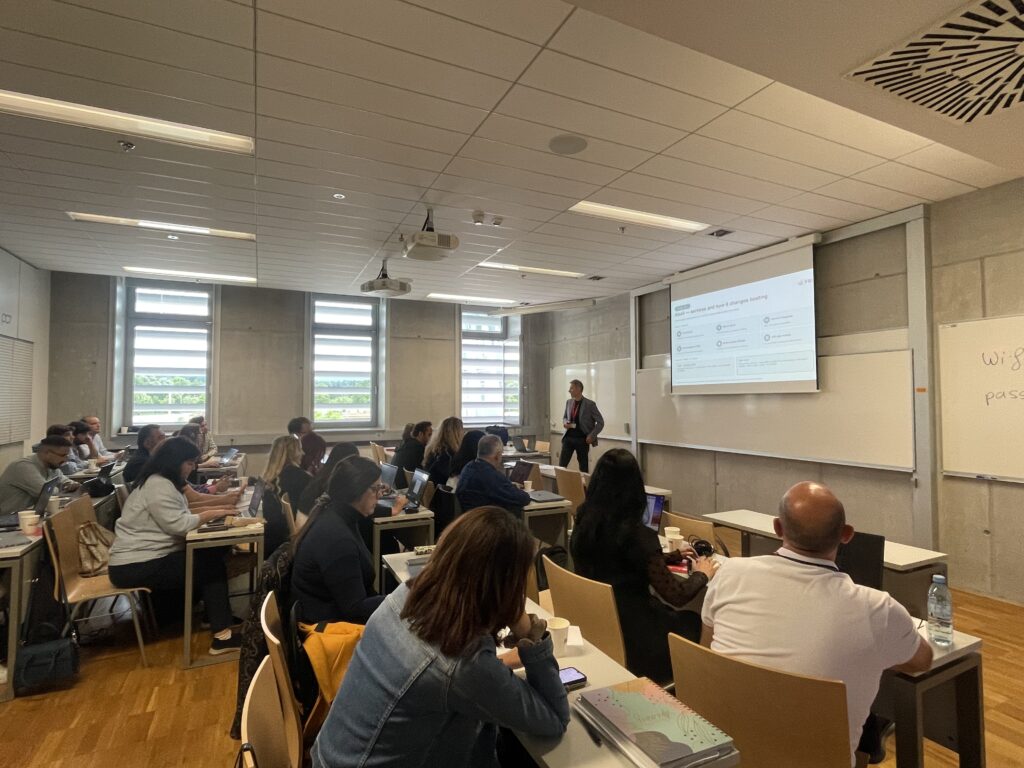
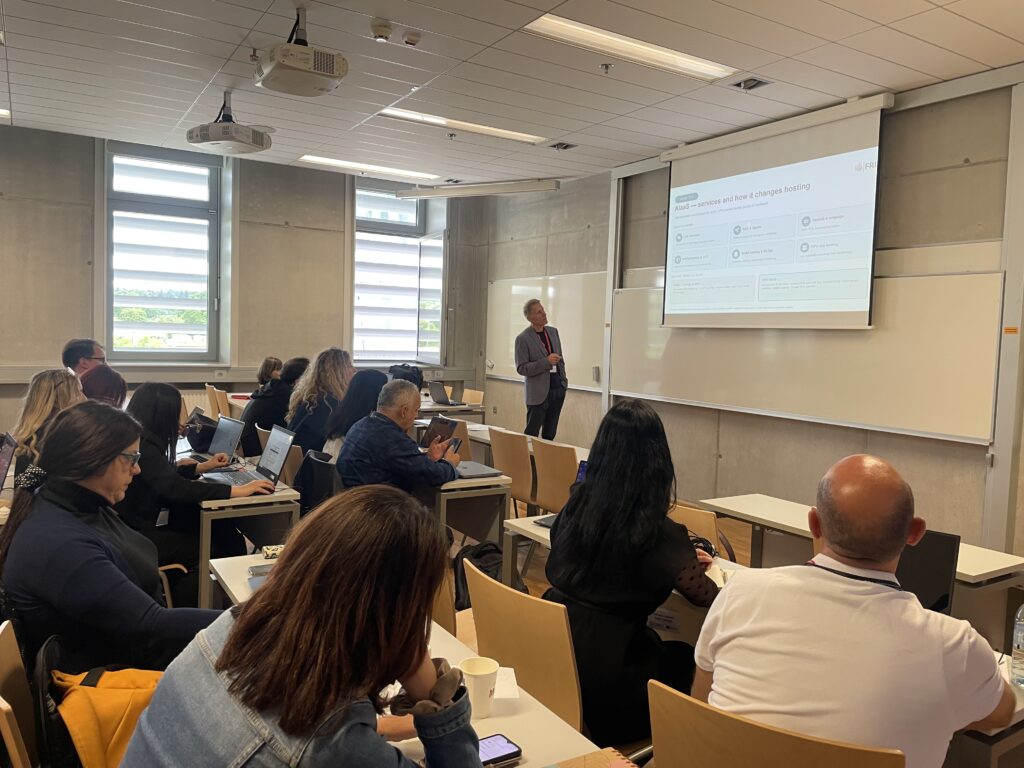
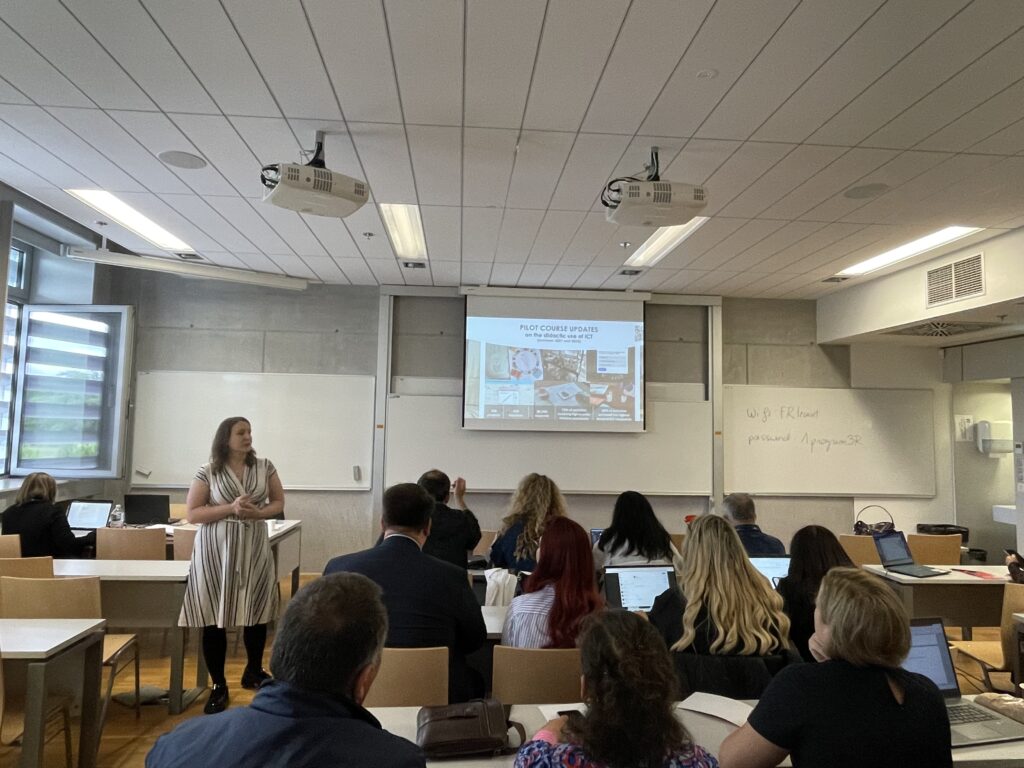
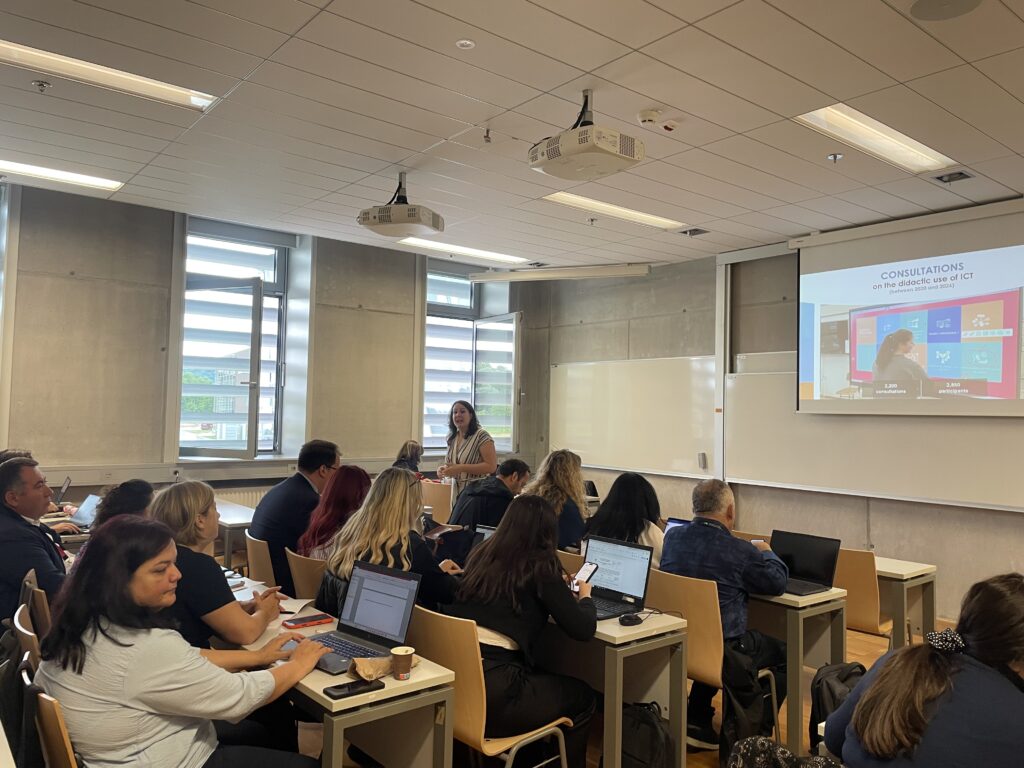
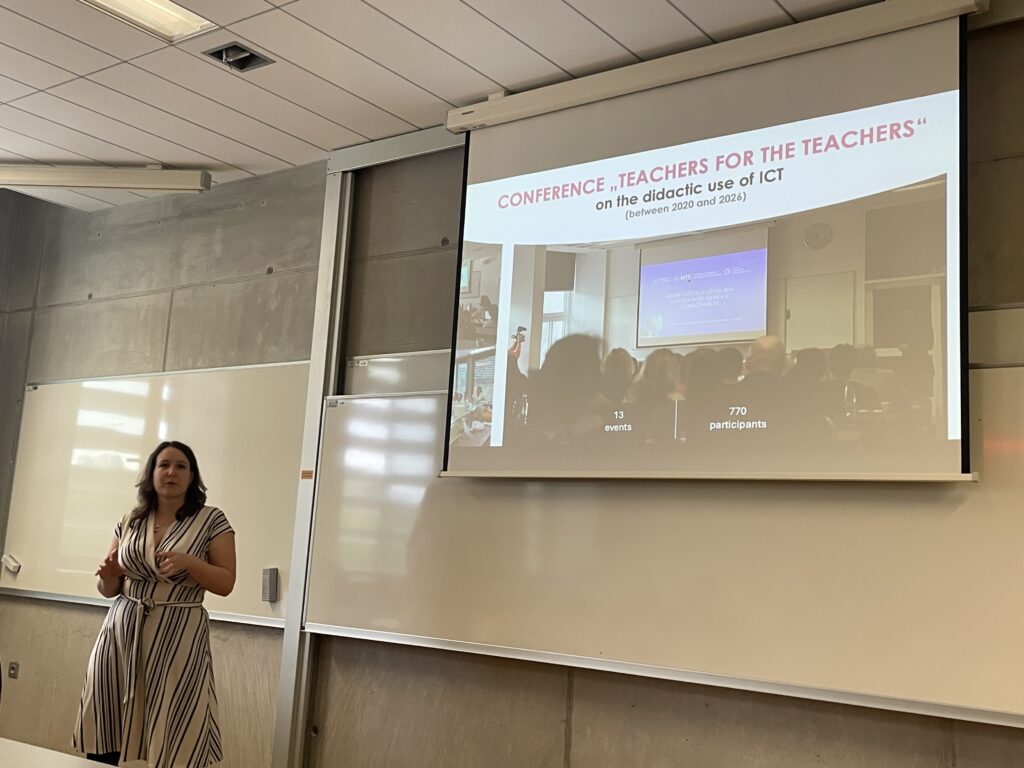
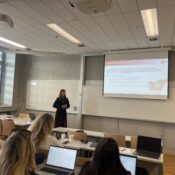
The second day of the study visit was dedicated to the presentation of European best practices in artificial intelligence, scientific research, and digital transformation. Participants had the opportunity to become acquainted with ongoing research projects at the University of Ljubljana and explore how artificial intelligence is being integrated into research, development, and academic processes.
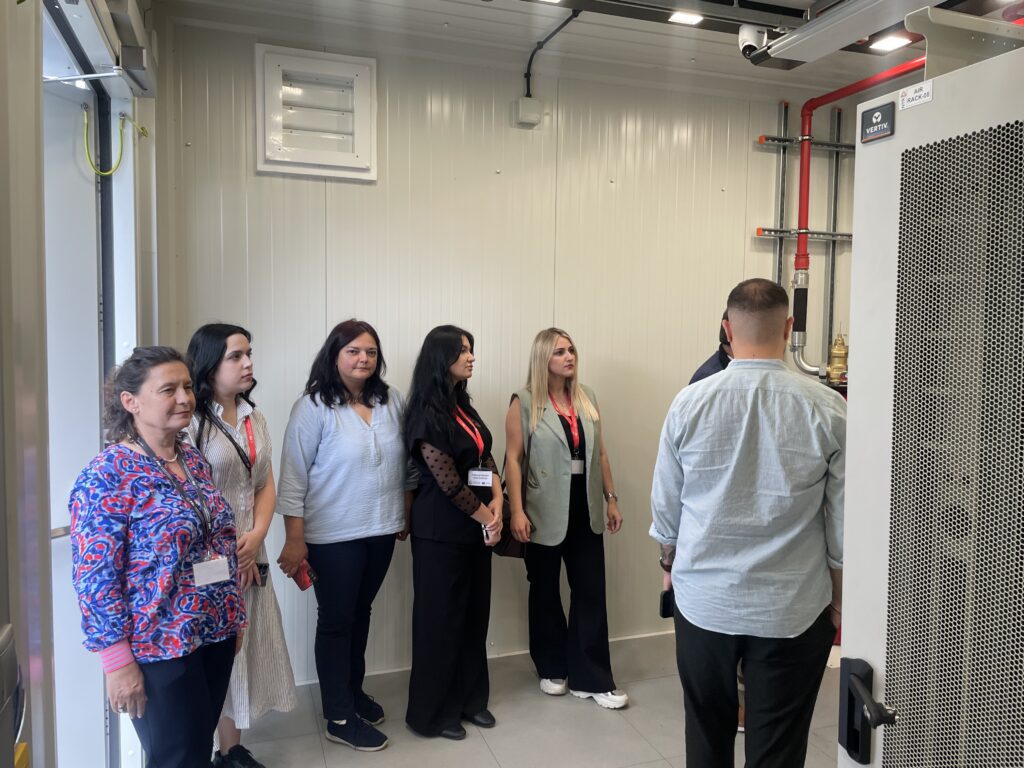
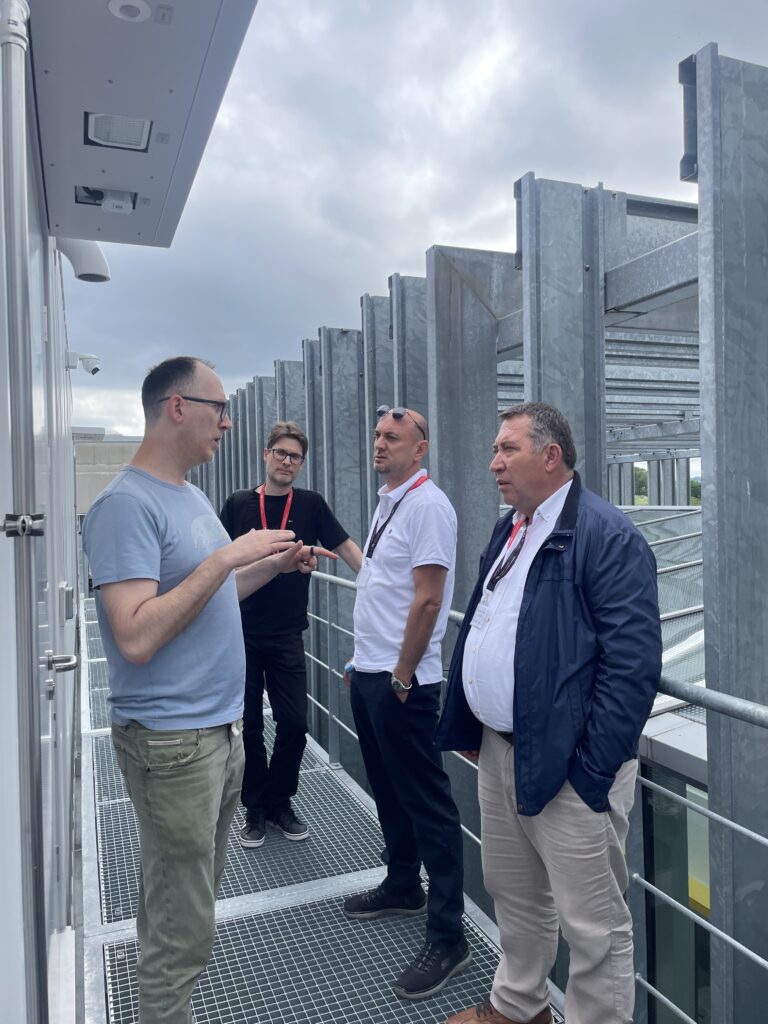
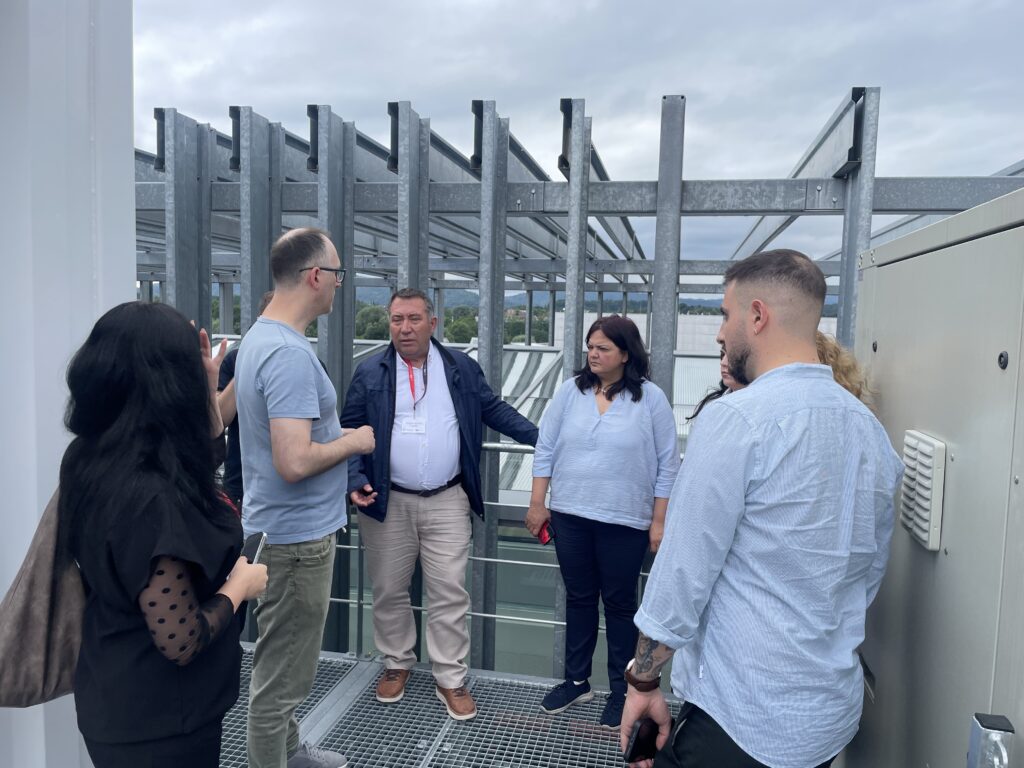
The programme also included a visit to the FRIDA HPC Cluster, where participants were introduced to advanced computing infrastructures supporting scientific research, data analysis, and innovation in Slovenia. In addition, partners attended a dedicated session at the Slovenian Artificial Intelligence Competence Centre, where initiatives and activities contributing to the development and application of AI at national level were presented.
Overall, the study visit represents a valuable opportunity for strengthening inter-institutional cooperation, enhancing academic capacities, and promoting innovative approaches in higher education. The knowledge and experience gained during this visit will significantly contribute to the achievement of the TBEAI project objectives and to the modernization of study programmes within partner institutions, ultimately supporting the development of a new generation of AI-ready entrepreneurs and professionals.